Optimal Moisture Content of Corn
Corn is a staple crop with global significance, used in everything from food products to biofuels. One of the critical factors influencing corn quality and its subsequent uses is its moisture content. Understanding and managing the moisture content of corn is crucial for farmers, processors, and end-users.
At AgroLog, we are dedicated to helping farmers and grain handlers manage this critical aspect with precision using our advanced grain moisture meters. Our technology ensures that you have accurate measurements, leading to better preservation and higher quality corn.
Why Moisture Content Matters
Storage and Preservation: High moisture content in corn can lead to microbial growth, spoilage, and reduced shelf life. Proper moisture management helps prevent issues such as mold and mycotoxin contamination.
Quality Control: For end-users, whether they’re food manufacturers or ethanol producers, the moisture level affects the consistency, processing efficiency, and overall quality of the final product.
Economic Impact: Moisture content can influence the weight and value of the corn at sale. Grains with higher moisture levels often result in lower prices due to the potential for quality degradation and additional drying costs.
Optimal Moisture Content of Corn
The optimal moisture content of corn depends on its intended use:
Harvesting: Ideally, corn should be harvested when its moisture content is between 15-20%. This range helps balance the risk of field losses and the costs of drying.
Storage: For long-term storage, corn should be dried to a moisture level of 13-15%. This reduces the risk of spoilage and insect infestation.
Processing: For processing purposes, such as milling or ethanol production, corn is often used with a moisture content around 14-15%. This facilitates optimal processing efficiency and product quality.
Tips for Managing Moisture Content
Monitor Regularly: Use reliable moisture meters or test samples regularly to ensure moisture levels are within the desired range.
Proper Drying: Implement efficient drying practices immediately after harvest to prevent excess moisture buildup. This may involve using grain dryers or other drying technologies.
Storage Conditions: Store corn in well-ventilated, dry conditions to maintain appropriate moisture levels and prevent mold growth.
Adjust for Variability: Different corn varieties and environmental conditions can affect moisture levels. Be prepared to adjust your drying and storage practices accordingly.
The Must-Have Tool for Corn Moisture Content: The Grain Moisture Meter
Managing the moisture content of corn is crucial for preserving its quality, optimizing processing, and ensuring safe storage. At AgroLog, we understand the importance of accurate moisture measurement, which is why our grain moisture meters are designed to deliver precision and reliability. In this blog post, we’ll explore how AgroLog's moisture meters can help you effectively manage corn moisture content and enhance your operations.
Advanced Measurement Technology: AgroLog employs state-of-the-art technologies in our grain moisture meters, including [specific technologies, e.g., electrical resistance, capacitance, infrared]. These technologies provide precise and reliable moisture content readings tailored for corn.
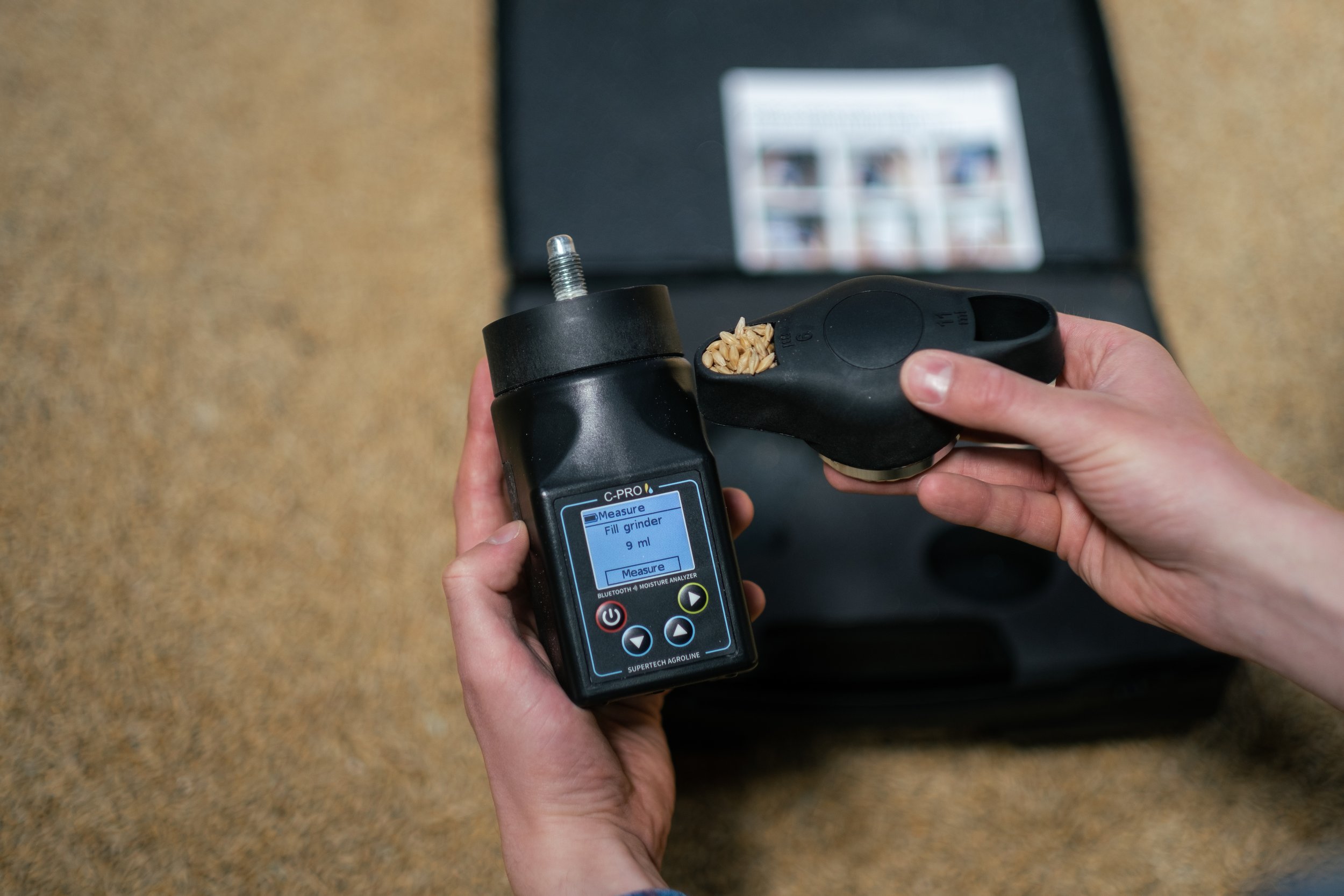
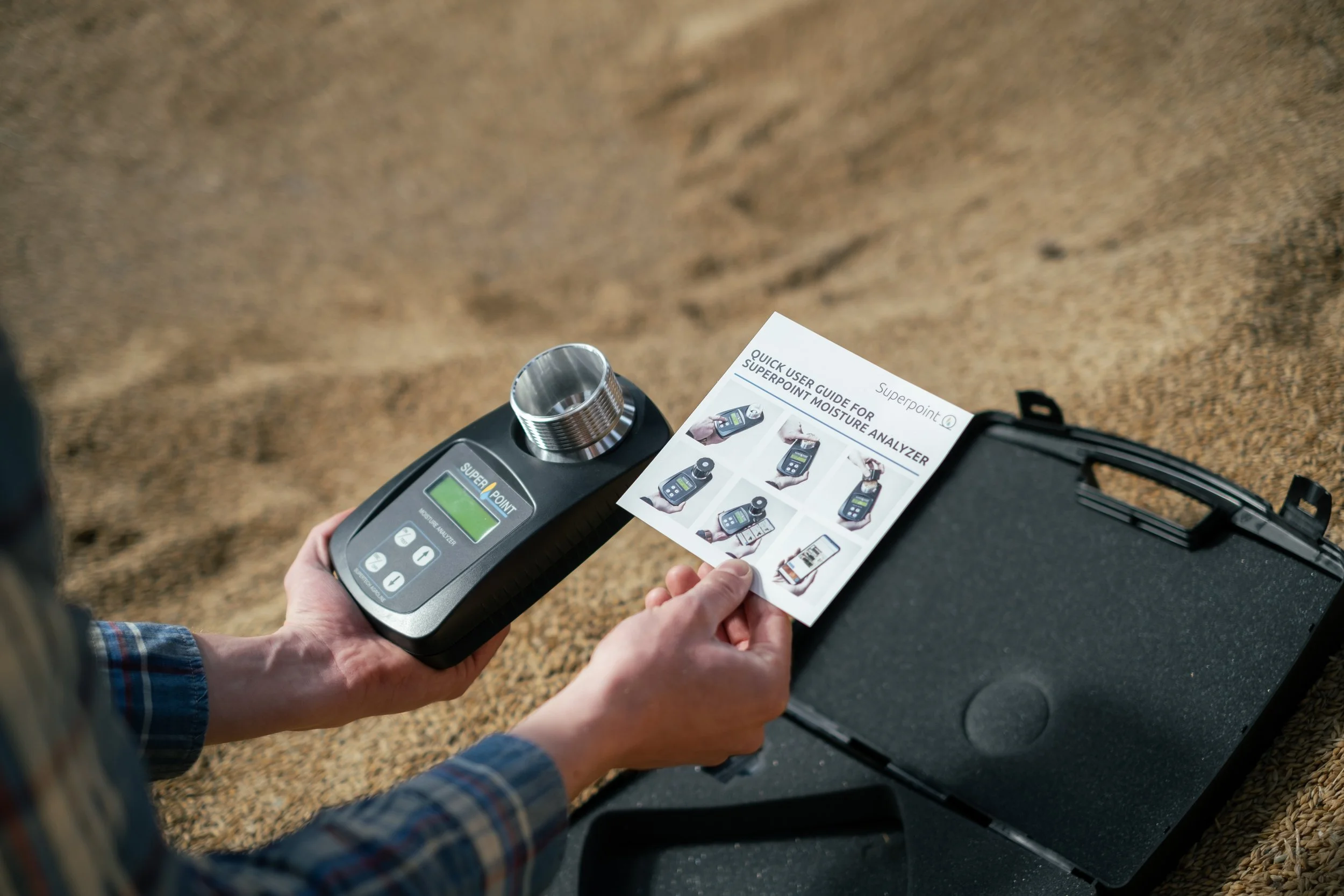
User-Friendly Operation: Designed with ease of use in mind, our moisture meters offer quick and clear results. Features like [specific features, e.g., automatic temperature compensation, digital displays] make moisture testing straightforward and efficient.
Durability for Field and Facility Use: Our meters are built to withstand various conditions, from harsh field environments to processing facilities. With robust construction, AgroLog’s meters are reliable tools for all your moisture measurement needs.
Versatility and Calibration: AgroLog’s moisture meters are versatile, capable of measuring moisture content in different types of grains, including corn. They come calibrated for various grain types, ensuring accuracy and flexibility in your operations.
Benefits of Using AgroLog’s Grain Moisture Meters
Incorporating AgroLog’s grain moisture meters into your operations offers several advantages:
Enhanced Quality Control: Ensure that your corn meets the required quality standards, which is crucial for both market value and processing efficiency.
Reduced Waste: By maintaining optimal moisture levels, you can significantly decrease spoilage and waste, leading to better overall efficiency and profitability.
Improved Storage Management: Accurate moisture readings allow for better management of storage conditions, helping to prevent issues related to mold and deterioration.
Increased Market Value: High-quality corn, managed with precise moisture control, often commands a higher price in the market.
Managing the moisture content of corn is a critical factor in preserving its quality, enhancing storage efficiency, and maximizing market value. AgroLog’s advanced grain moisture meters are indispensable tools for achieving precise moisture measurements and ensuring that your corn remains in optimal condition.
If you're seeking a reliable solution to monitor and manage the moisture content of corn, AgroLog has the expertise and technology to support your needs. Contact us today to learn more about how our grain moisture meters can transform your corn handling and storage practices.
Ready to improve your corn moisture management? Explore AgroLog's range of grain moisture meters and find the perfect solution for your needs.




We got Featured!